
People doing the work
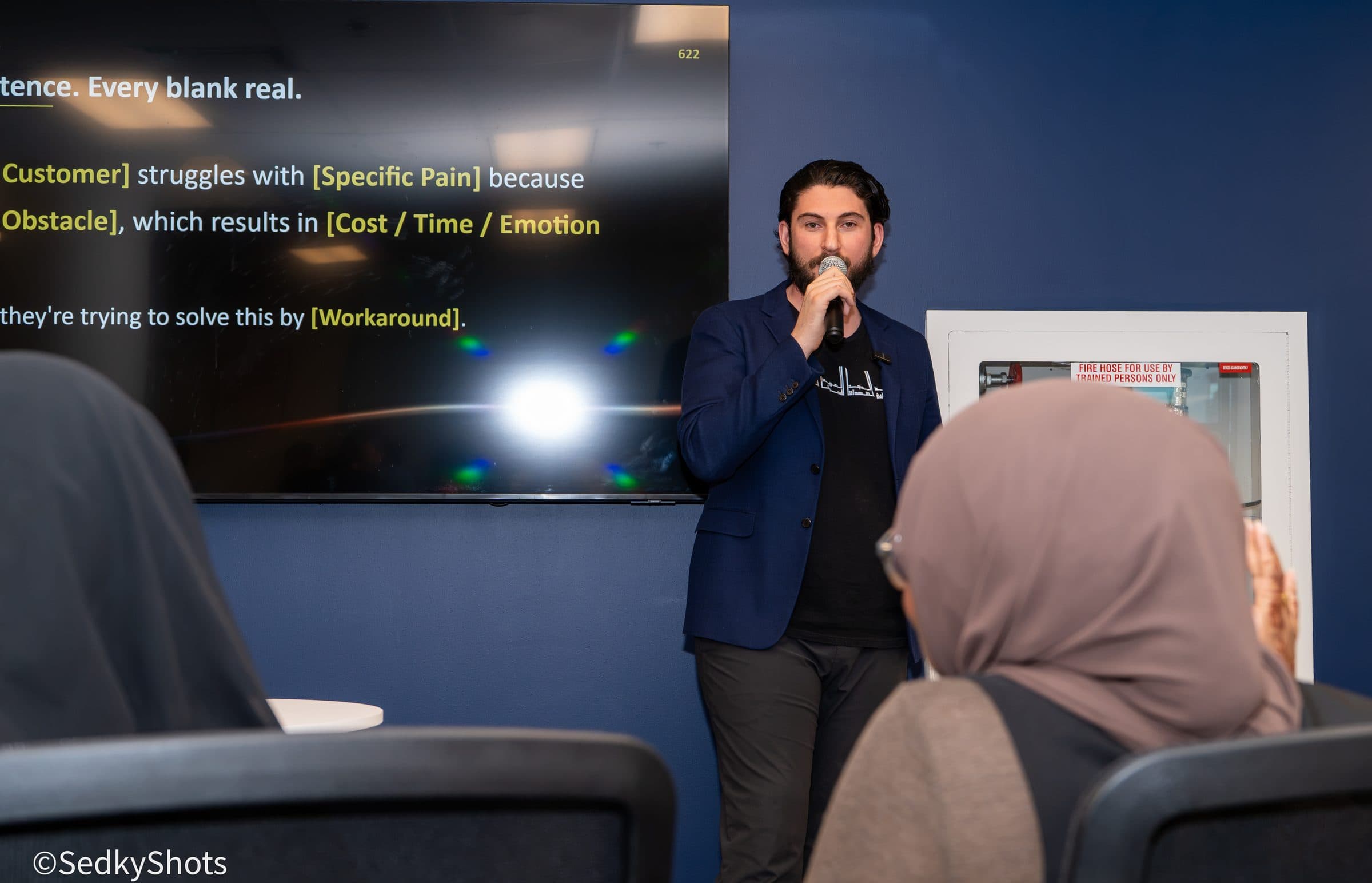
People currently working in positioning, sales, marketing, product, pricing, and related fields lead the main sessions.
12 weeks · Mississauga · 0 → 1
SixTwentyTwo is an in person accelerator for early-stage founders. We teach sales, marketing, positioning, pipeline, product, pricing, pitching, and investor readiness. Each week, you use those skills in your own company, look at what happened, and use the facts to decide what to do next.
Length
12 weeks
Weekly commitment
20+ hours
13 hour minimum
Location
Mississauga
Sheridan EDGE, Square One
Tuition
None
You commit the time and work
Who it is for
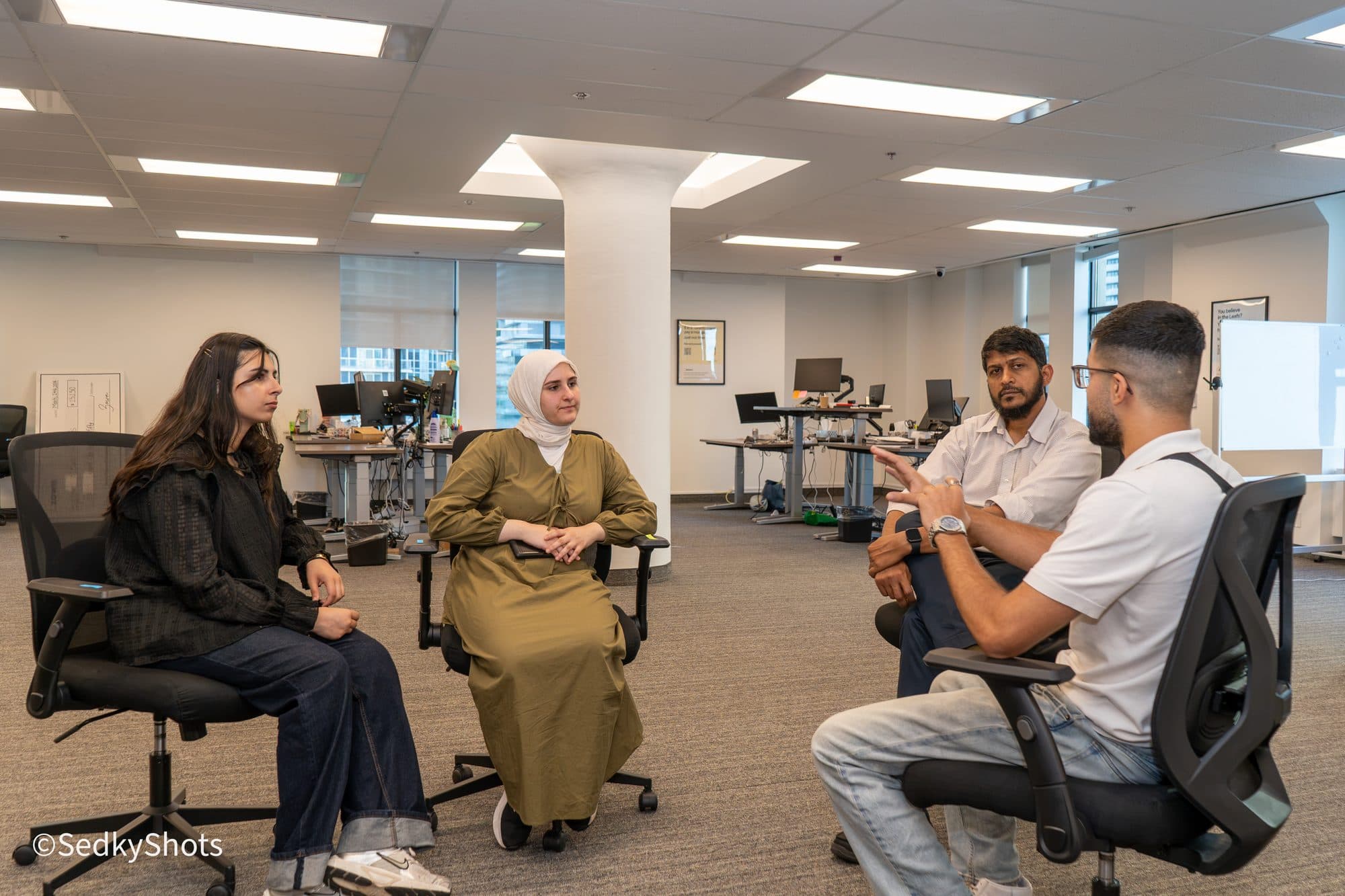
We build each cohort with an equal mix of people still shaping an idea and founders already in market.
Ideators
You see a problem worth solving.
You know the field or have a knack for the problem, but you may not have a company yet. No pitch, traction, or fully formed idea required.
In Market
You are already putting it to the test.
You may have a product, customers, or revenue. Bring the real numbers and the part of the business you need to work through.
What both groups share
A commitment to the weekly work, an honest account of what happened, and the willingness to test what they learn.
01
You work in workshops and small pods throughout the program. Each session gives you something specific to test in your company.
1–6
Weeks 1 to 6
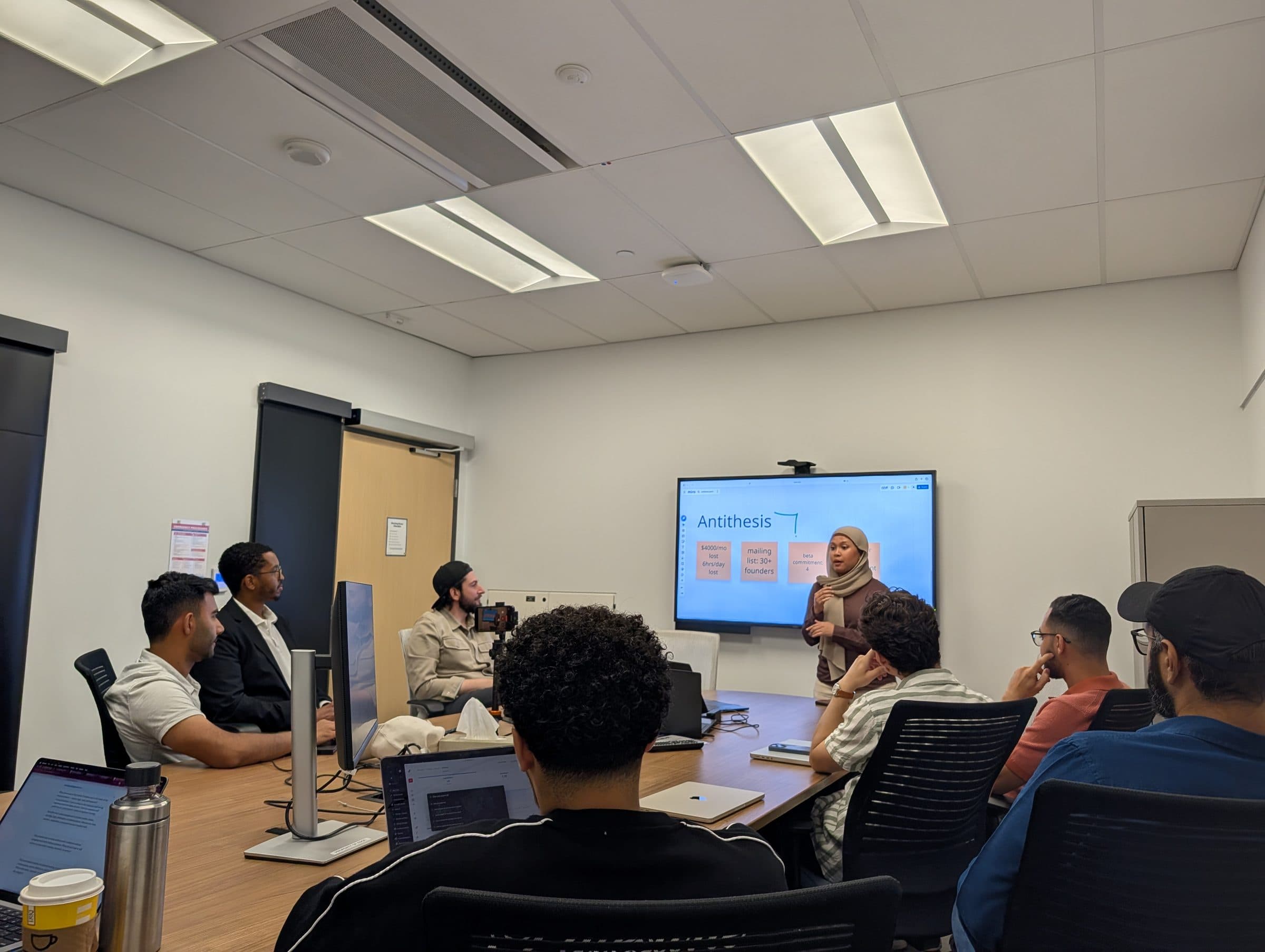
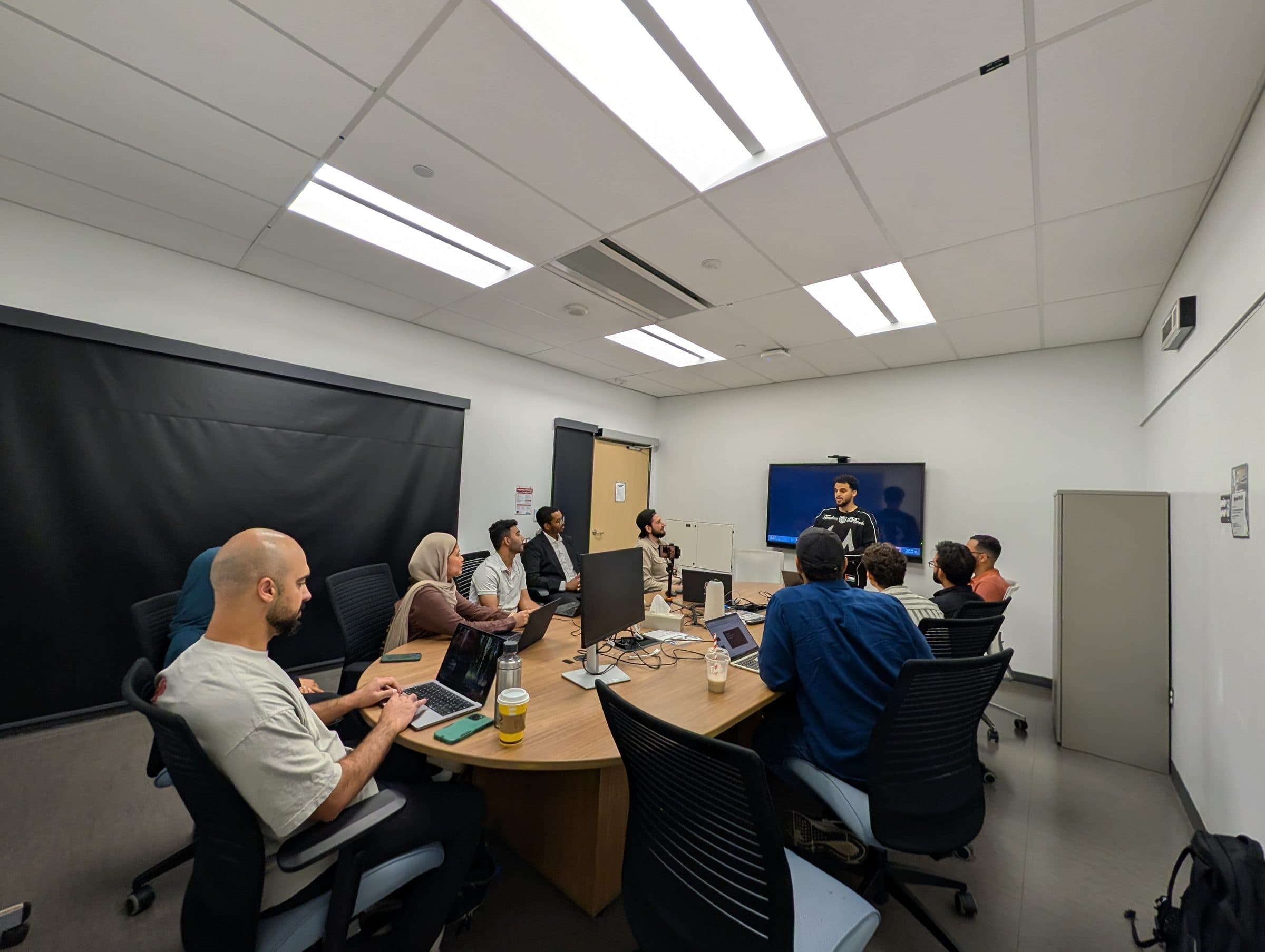
People working in positioning, sales, marketing, product, and pricing lead the sessions. You use each lesson in your company, test it with customers, and bring the result back to the group.
7
Week 7
Explain the problem, customer, interviews completed, what you learned, one important metric, and where you are stuck. This gives the next part of the program a clear target.
8–10
Weeks 8 to 10
Week 7 shows where the business needs the most work. The next three weeks focus on that problem. You test possible answers, review the results, and put the strongest answer into practice.
11–12
Weeks 11 to 12
Bring together what you learned about the customer, product, positioning, pricing, and growth. Present the business, answer hard questions from the room, and leave knowing what to work on next.
02
Each week follows the same cycle: choose the next question, do the work, look at what happened, and use it to plan the next sprint.
20+hrs
Typical week
13 hour minimum
Written
Tuesday
Write down what happened last week, choose the next priority, and define what you will test this week.
2–4hrs
Twice a week
One virtual session early in the week and one on Saturday, in person or virtual. Learn a practical method or work through the sprint with a small group focused on the same part of the business.
30min
During the week
Work through the specific issue in front of you with a mentor who can look beyond the headline.
30min
During the week
Compare what each of you tested with the founder you are paired with, and check the assumption the other has stopped noticing.
10+hrs
Between sessions
Talk to customers, work the pipeline, test the message, put forward the price, or ship the product change.
Investor readiness means looking at your business as objectively as possible.
This prepares you to raise if you choose. It also helps you make better decisions whether or not you ever seek investment.
03
People currently working in positioning, sales, marketing, product, pricing, and related fields lead the main sessions.
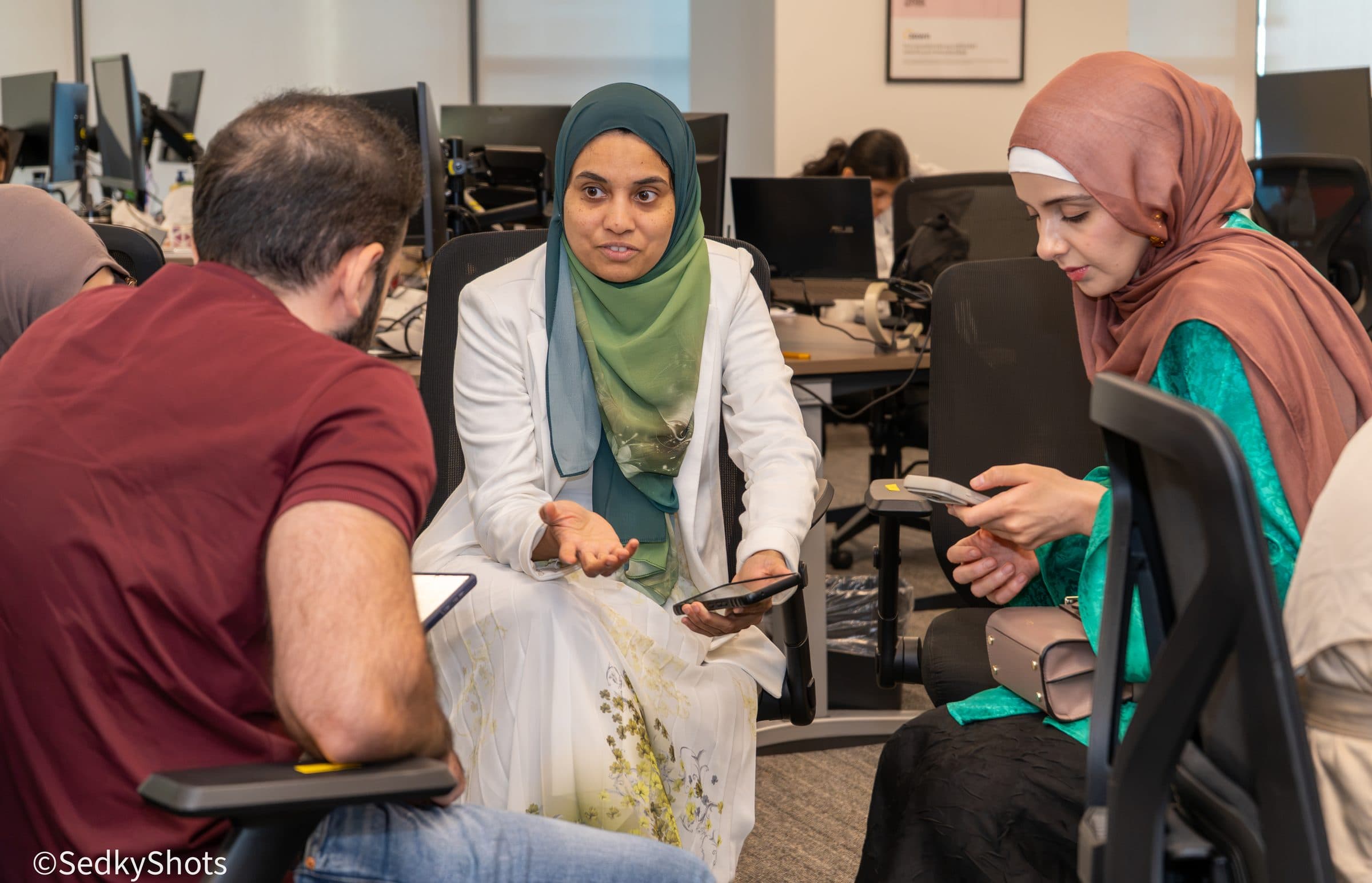
Another founder challenges your assumptions, follows the commitment you made, and gives you an outside view of the company.

SixTwentyTwo connects you with a founder, operator, or specialist who understands the problem you are working through.
Where it runs
Sheridan EDGE — Square One Campus
In person, twelve weeks. Saturday sessions in the room. The rest of the week you work from wherever your company actually lives.
Open map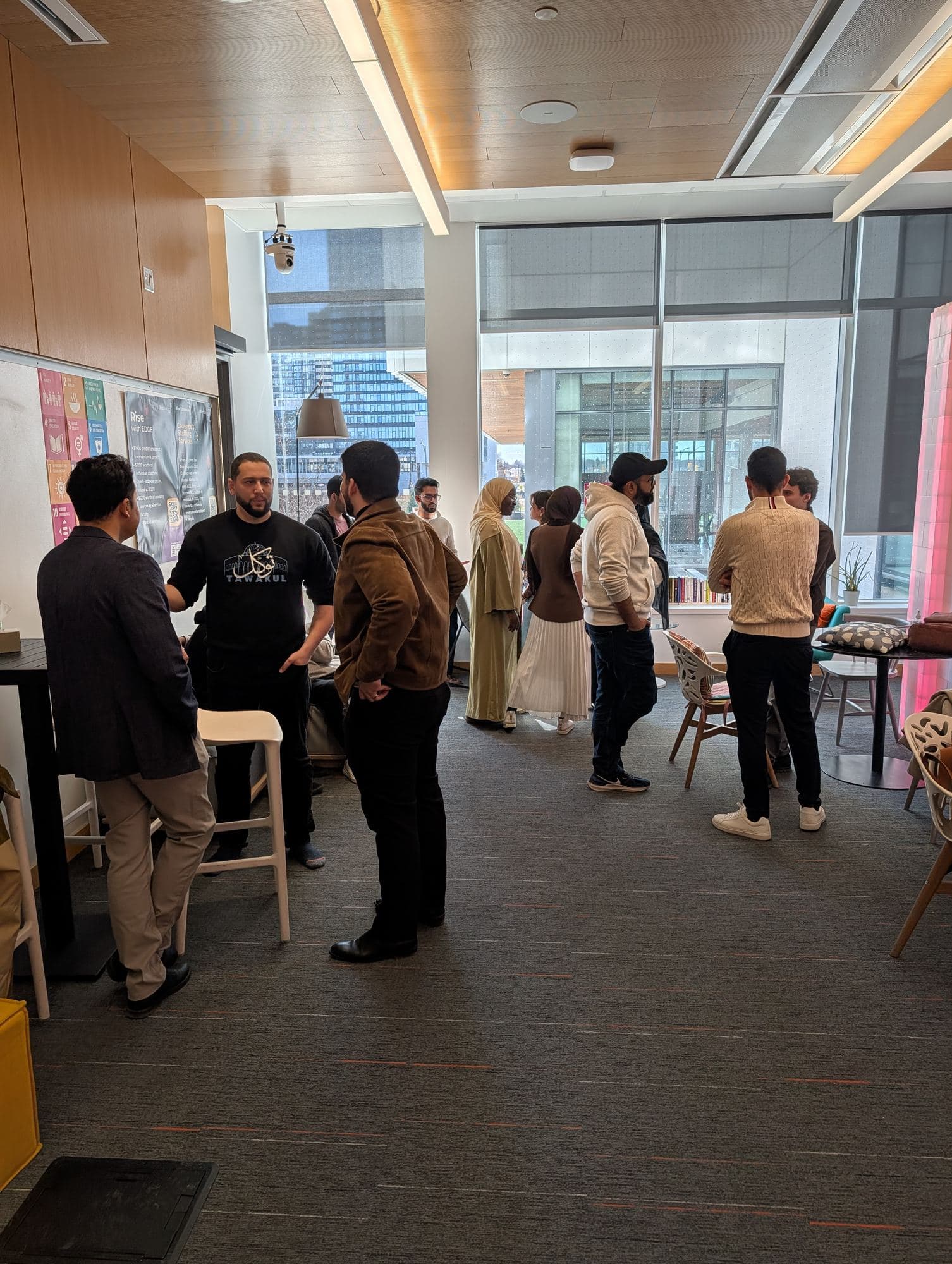
04
No tuition or program fee. We ask for a real commitment instead: show up each week, keep building between sessions, and present what you can prove at SixTwentyTwo Showcase when the twelve weeks are done.
Founders with a focus in the field. About half of each cohort is still testing the problem; the other half already has customers or revenue. You do not need a company yet. What matters is that you will do the work, share what happened, and change course when the facts point somewhere else.
No. You may still be testing the problem, or you may already have customers and revenue. Traction is not a requirement. Willingness to do the work is.
In person at Sheridan EDGE's Square One Campus, Mississauga, with hybrid options where it makes sense.
Plan for a minimum of 13 hours each week, and expect 20 hours or more in a typical week. This includes 2 to 4 hours in workshops or pods, 30 minutes with a mentor, 30 minutes with a founder peer, and at least 10 hours executing inside your company.
Work already done: a pipeline you ran, positioning you tested, customer conversations you had, a price you put on the table, a pitch built from evidence. You also leave with a written playbook of the tools you used, a cohort that saw the messy version, and a way of working you can use when the next hard question shows up.
Cohort 2 begins in January 2027. Applications close in December 2026. Exact dates will be announced before founders commit.
Applications close in December 2026. Exact dates and the final weekly schedule will be shared before accepted founders commit.
Not ready for the cohort? Join for meetups, updates, and ways to help founders build. Join the Hijra.